Showing posts with label Food and Dishes. Show all posts

Friday, February 17, 2012

My Favorite Miniature Food Designers

Last year my dolls went on a miniature food binge. They mostly got sweets (ice cream, cookies, candy) and savory munchies of questionable nutritional value (hot dogs, hamburgers, fried chicken). However, after a bit of lecturing,  they also selected delectable vegetables and fruit, and even a full salad. I am a repeat customer at these three food shops:

Minnie Kitchen
Etsy: http://www.etsy.com/shop/MinnieKitchen
Janet is a real pleasure to work with and is quite creative. Her specialty is 1/12 scale, but please don't hesitate to ask about scaling anything in her shop to the American Girl doll size of 1/3. She's particularly good with texture and painting (see the potatoes below). I've gotten scones, a cream puff and strawberry shortcake, cheese sets, vegetables, and fruit from her shop.

Pippaloo
Etsy: http://www.etsy.com/shop/pippaloo
Teresa's food are always perfectly scaled. Her works have a polished and clean rounded feel to them. If you you're wishing pieces from an official American Girl girl set such as Felicity's Party Treats, you should inquire about a custom replica, as she is an AG collector herself and is probably familiar with the originals.

The Tea Cottage
Ebay: http://myworld.ebay.com/golfkoby123/
This artist makes her food in batches of 5-10. I don't think she does custom orders, so if you see something in her shop that you like, you should buy it right away. What I like about her work is she bases her projects on recipes from the American Girl recipe books or from the stories. So I've gotten Samantha's breakfast, Josefina's Bizcochitos, and Julie's sloppy Joes from her shop. I also just like to check out her shop for adorable setups, some of them complete with miniature newspapers and floral arrangements!


Food Portrait Gallery:
You can also see more under the Food and Dishes tag.
The tomatoes, mushrooms, carrots, and cauliflower in the basket were created by Minnie Kitchen. The turnip and the lettuce are from Addy's gardening set. I picked up the grater at World Market, the knives from lovvbugg on Ebay, and the metal pot and pans I picked up at from a kid's kitchen set KB Toys.
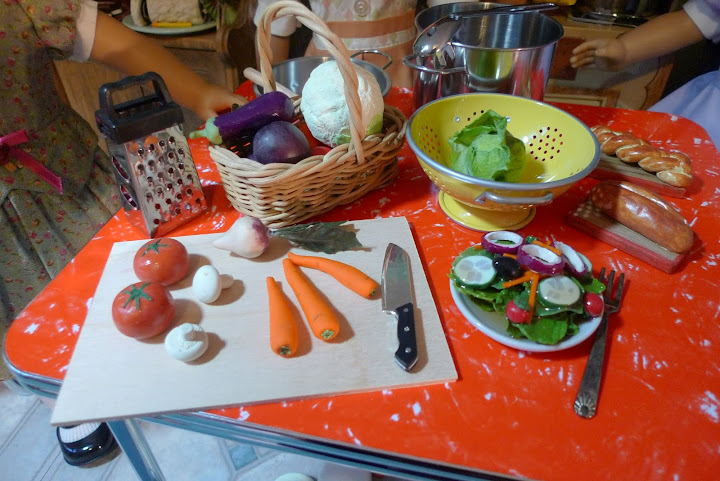
By MinnieKitchen

The carrots, eggplant, sweet potatoes, Russet potatoes, and red potatoes were created by Minnie Kitchen. I especially love the detail of the partially pealed potato!
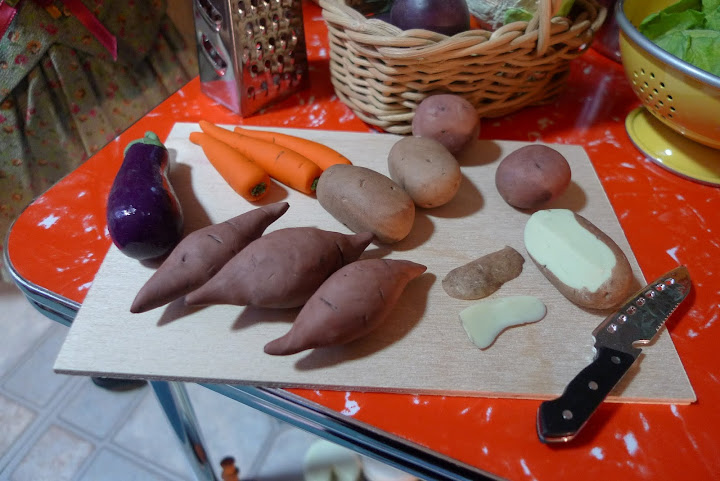
By MinnieKitchen

This salad with onions, carrots, cucumbers, cherry tomatoes, and lettuce was created by The Tea Cottage.
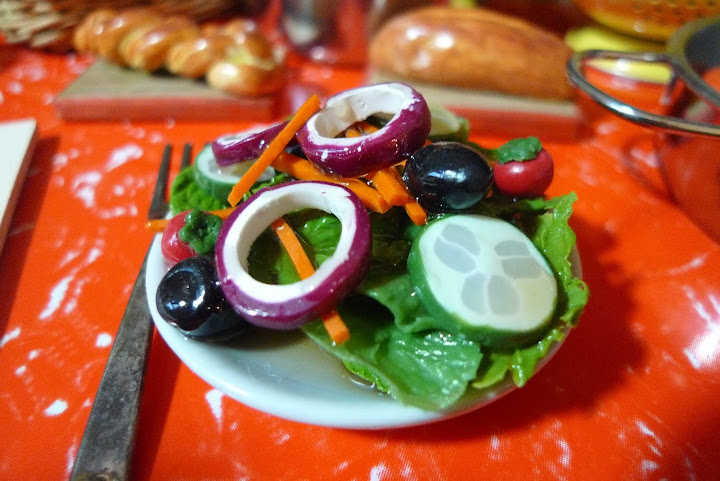
By The Tea Cottage

This spaghetti with meat sauce and buttered roll was created by The Tea Cottage. Note the the detail of the dried herbs on top of the sauce.
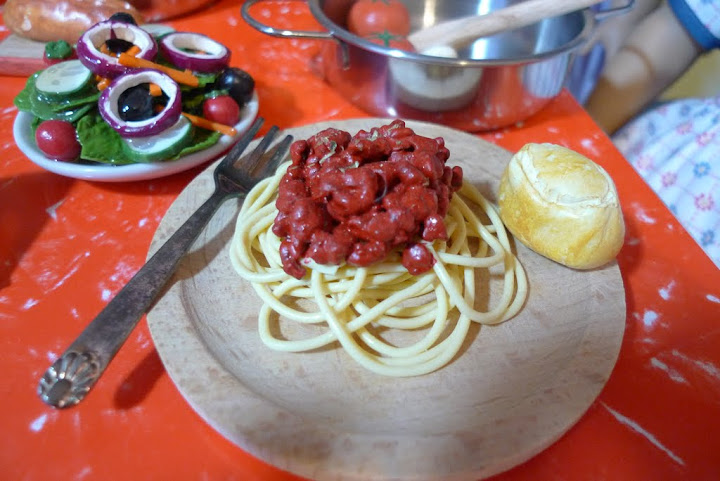
By The Tea Cottage

This delicious cheeseburger was made by Pippaloo.
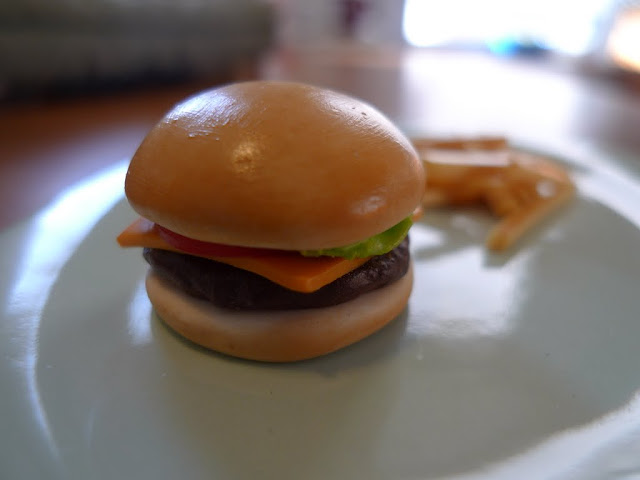
Pippaloo

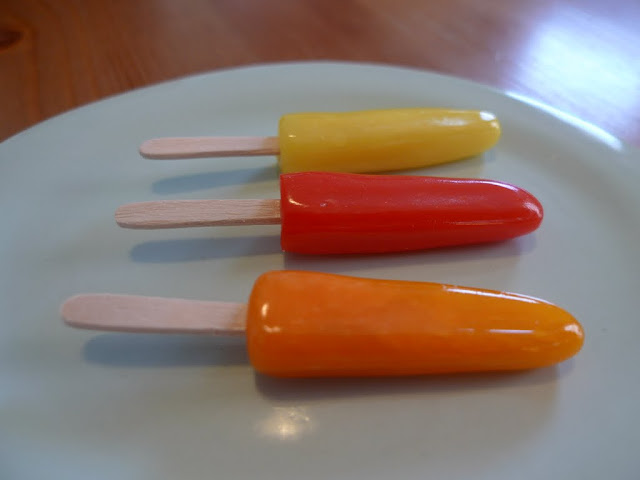
These ice pop made by Pippaloo are so realistic, down to the translucency of the ice.
Pippaloo

Saturday, November 5, 2011

Say Cheese!

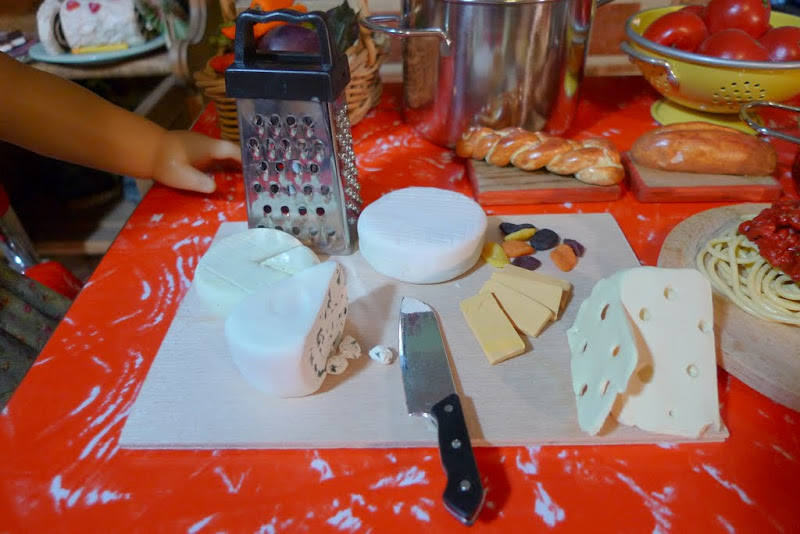
Contains dried dates, apricot and prunes along with cheddar, blue cheese, Swiss cheese, Camembert, and brie. Created by MinnieKitchen.

Some historians speculate that cheese may have been accidentally discovered by people in the Middle East 5000 or more years ago. Arab travelers may have stored milk in stomachs of animals. The rennet,  an enzyme secreted from the stomach that causes coagulation, would turn the milk to curd.


Sunday, July 24, 2011

Chocolate Chips for Molly

The word cookie is derived from the Dutch word "koekje". Back in ye olde colonial America, hard cookies were convenient food for traveling because they kept well. Colonists would have eaten macroons, gingerbread cookies, and "jumbles"--the latter containing nuts, sweetener, and water. The cookies we are familiar with today are usually creamed with butter and sugar, which would have been uncommon in the 18th century.

Chocolate chips cookies were invented in 1937 by Ruth Graves Wakefield of the Toll House Inn located in Whitman, Massachusetts. She had chopped up chucks of Nestlé chocolate bars, and added it to her original cookie recipe. In 1939, Wakefield let Nestlé print her recipe on the chocolate packages in exchange for a lifetime supply of chocolate. (Hmmm, personally, I would had gone for royalties!) In 1941, Nestlé began selling the chocolate in "morsel" chip form to encourage consumers to use the chocolate for baking.

I use the recipe from the Nestlé packaging and during the holidays, I substitute the regular chips with mint Andes chocolates, which give them a green coloring. Of course, I have to unwrap and crack them all, but they are a real crowd pleaser.

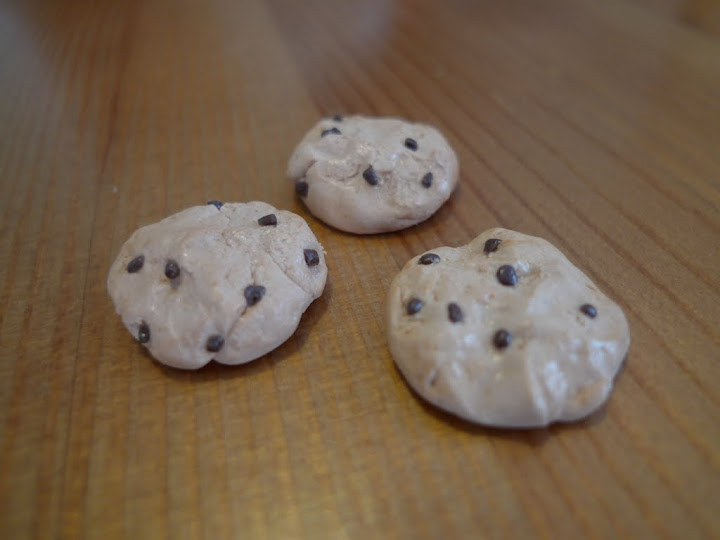
These miniature chocolate chip cookies were made by Pippaloo. Molly could have made these if she was willing to spend her butter and sugar rations...


Sunday, July 17, 2011

Candy Apple for Rebecca

Red candy apples were invented in 1908 and were found in the Coney Island area and other carnivals and fair grounds. Perhaps Rebecca could have had a candied apple? According to the Newark Evening News 1964:

"William W. Kolb invented the red candy apple. Kolb, a veteran Newark candy-maker, produced his first batch of candied apples in 1908. While experimenting in his candy shop with red cinnamon candy for the Christmas trade, he dipped some apples into the mixture and put them in the windows for display. He sold the whole first batch for 5 cents each and later sold thousands yearly. Soon candied apples were being sold along the Jersey Shore, at the circus and in candy shops across the country, according to the Newark News in 1948."

Candied apples are also popular during Halloween and Guy Fawkes Night.


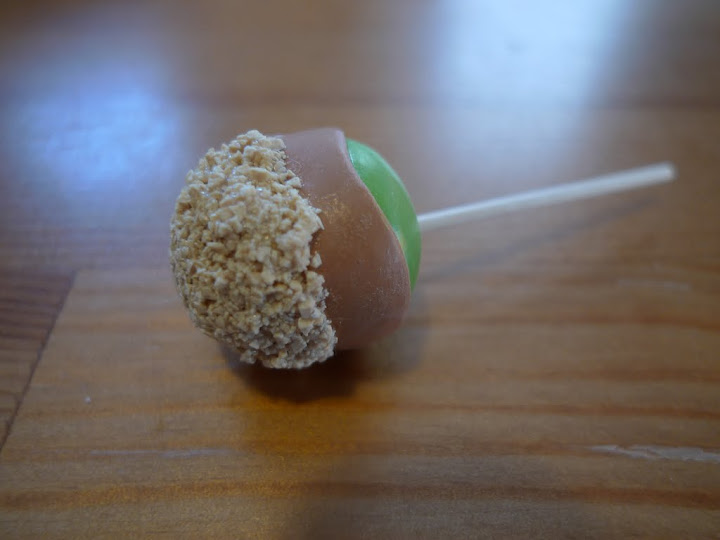
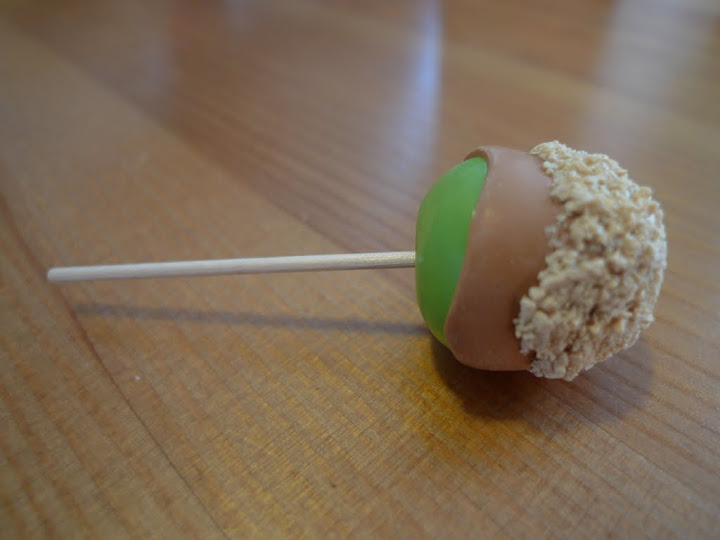
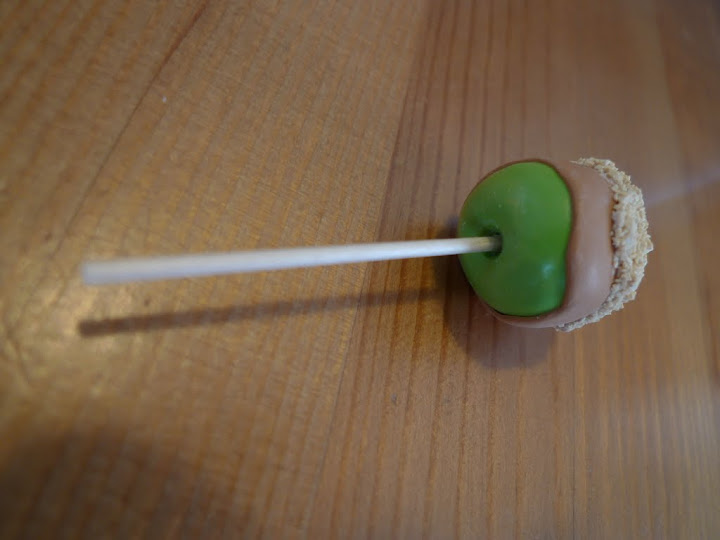
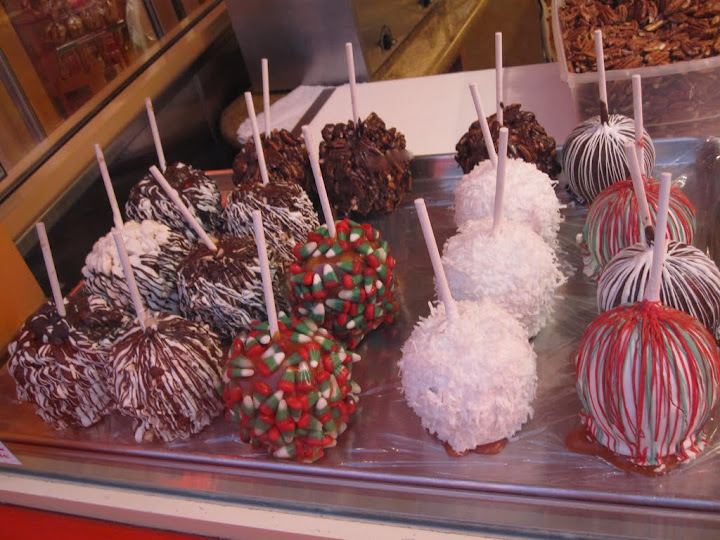
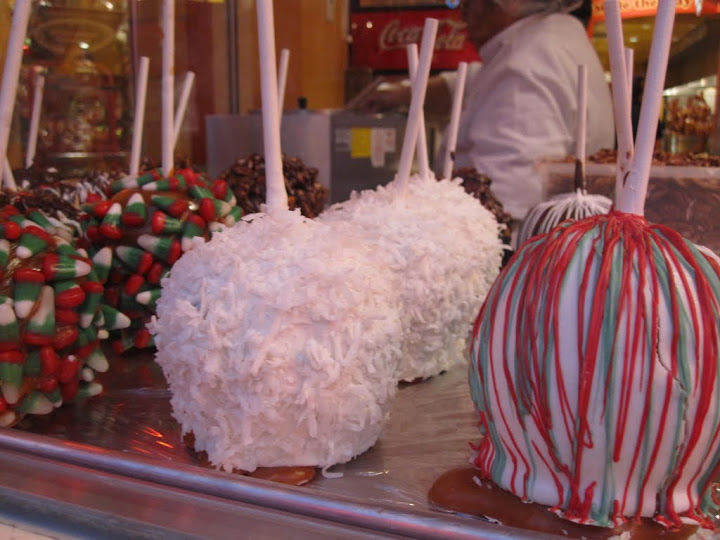
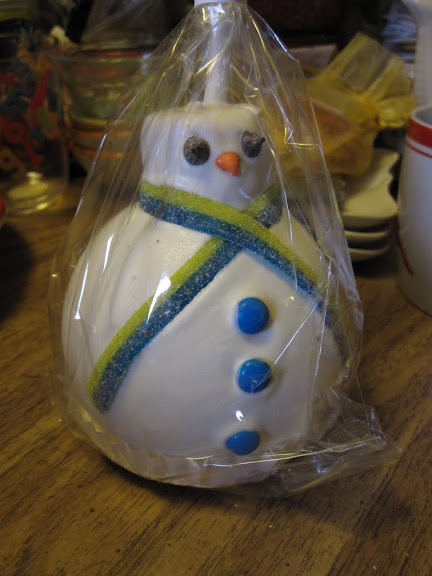
Holiday candied apples I have come across. I bought the snowman at Disneyland.


Friday, June 17, 2011

Ice Cream Sandwich

Ice creams sandwiches have been around since the turn of the century, but the version we see the most at the supermarket was was invented in 1945 by Jerry Newberg. He sold them during baseball games at Forbes Field, in Pittsburgh, Pennsylvania.

These were made by Pippaloo.


Saturday, June 11, 2011

Scones by MinnieKitchen

Scones were made of unleavened oats and baked on a griddle. Bakers often cut them into triangles for serving.

These American Girl-sized scones were made by MinnieKitchen of Etsy.


Sunday, May 22, 2011

Ice Pops - Frozen Drink On a Stick

According to Wikipedia: "In 1905 in San Francisco, 11-year-old Frank Epperson was mixing powdered flavoring for soda and water out on the porch. He left it there, with a stirring stick still in it. That night, temperatures reached a record low, and the next morning, the boy discovered the drink had frozen to the stick, inspiring the idea of a fruit-flavored 'Popsicle'. Eighteen years later in 1923, Epperson introduced frozen pop on a stick to the public at Neptune Beach, an amusement park in Alameda, California. Seeing that it was a success, in 1924 Epperson applied for a patent for his "frozen confectionery" which he called "the Epsicle ice pop". He renamed it to Popsicle, allegedly at the insistence of his children."

More fun facts at the Popsicle website. For example, I didn't know the double popsicles were introduced during the Great Depression, so two kids can share popsicles together for a nickel.

The following ice pops were made by Pippaloo. The ice pops look almost translucent like real ice.

Sunday, April 24, 2011

Profiterolle, Cream Puff, or Choux à la Crème

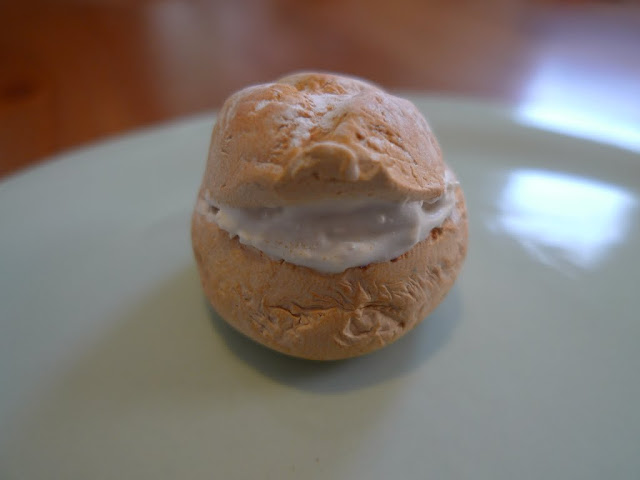
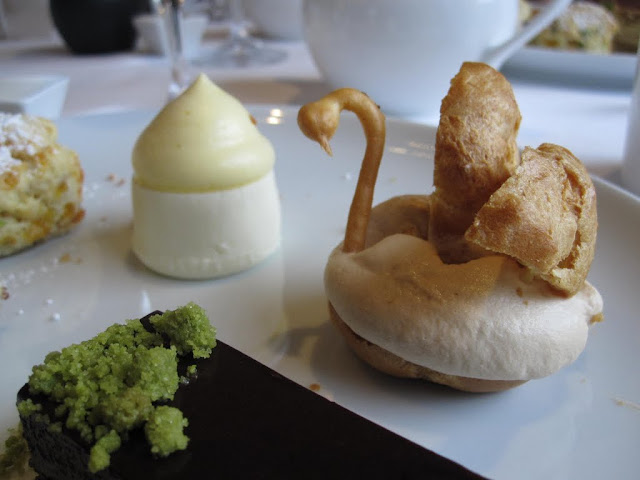
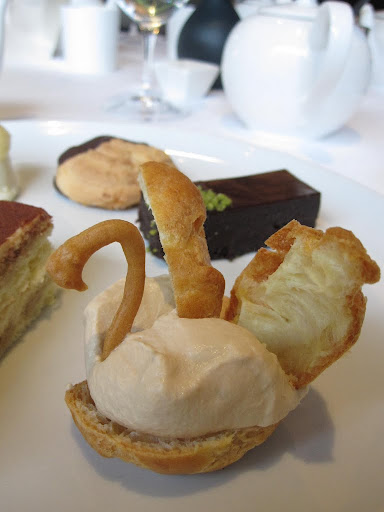
Profiterolle, Cream Puff, or Choux à la Crème are choux pastries filled with whipped cream, pastry cream, or ice cream. They can be shaped as balls or more imaginatively as swans. They are often garnished with powdered sugar, chocolate sauce, a caramel glaze, or fruit.

The word "cream puff" began to appear on American restaurants menu in the 1850s.

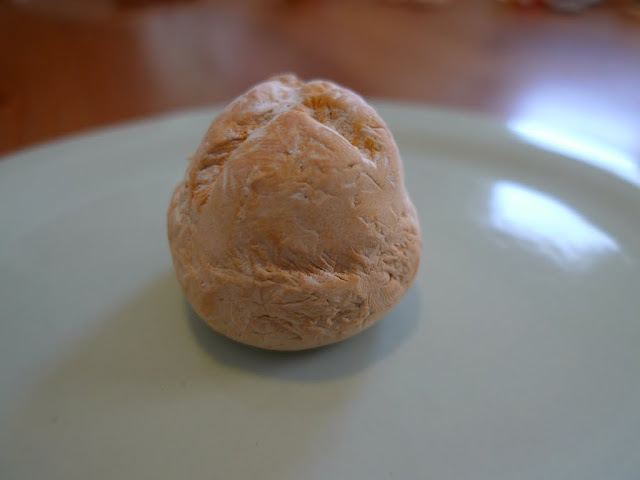
The polymer clay version below suitable for American Girls was made by the MinnieKitchen.


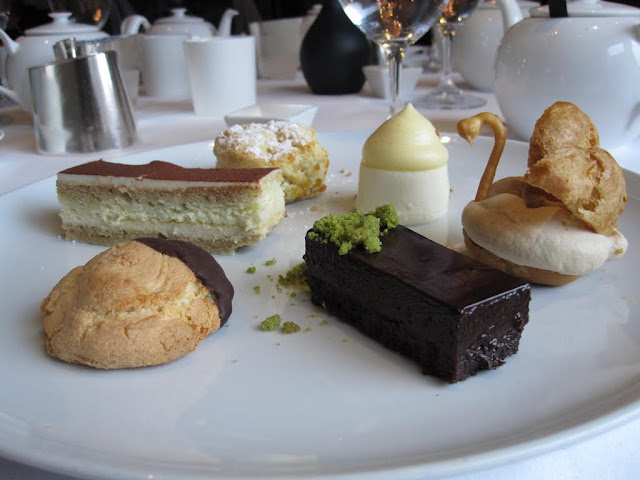
A real cream puff shaped as a swan that I had during tea time at L'espalier of Boston.


Wednesday, April 20, 2011

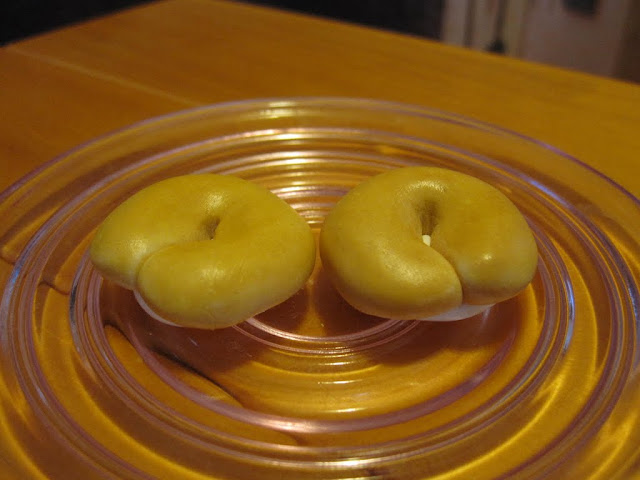
Rebecca's Bagels

Did you know?

Bagels get their harder consistency because they are boiled first before they are baked.

Bagels originated from Poland and have existed for hundred of years in their round form with holes in the middle. A dowel or rope were threaded through the holes for more convenient portability and display.
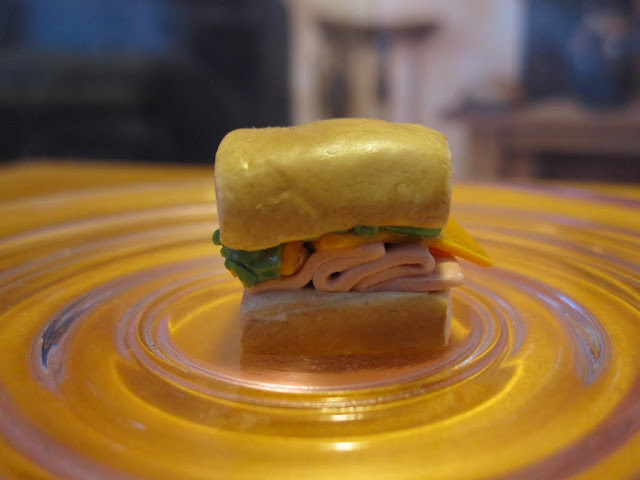
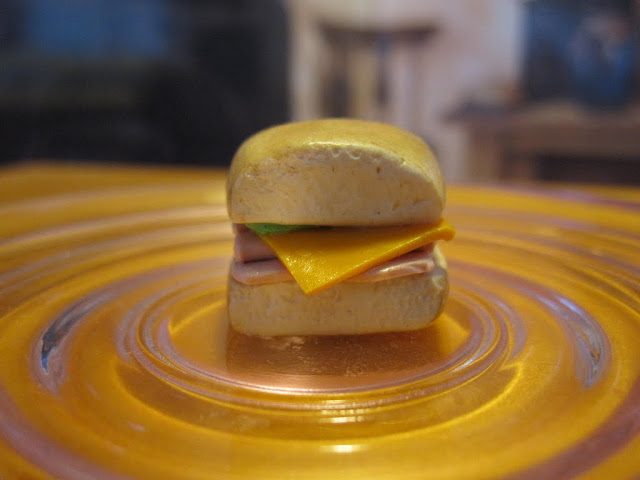
Jewish immigrants brought bagels to New York City, but they became popular in the United States when bagel production became more automated in the first half of the 20th century.

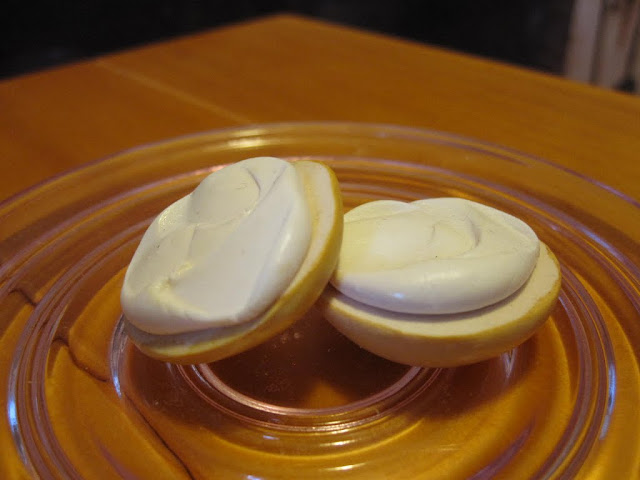
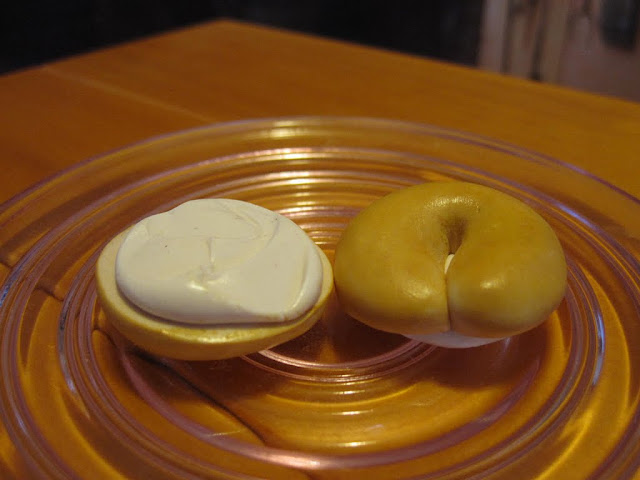
The following bagels were created by Etsy seller Pippaloo.


Tuesday, April 5, 2011

Potatoes and Monoculture

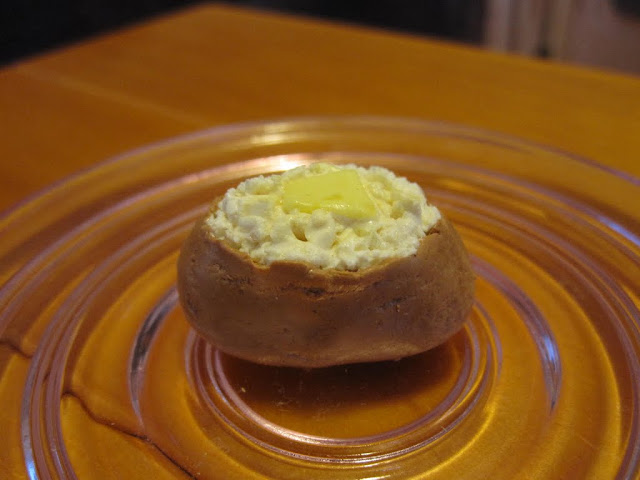
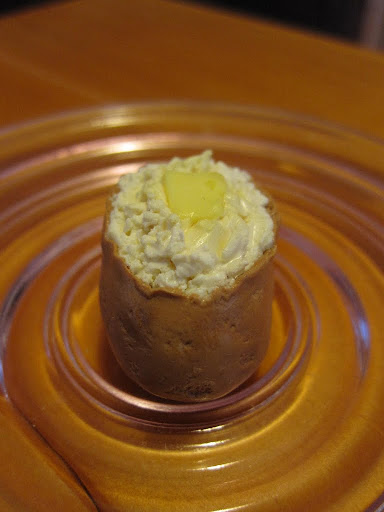
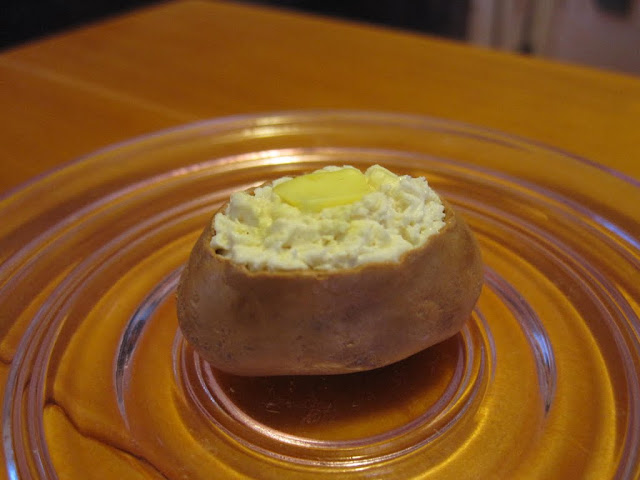
I actually have several miniature potato specimens to show off, but I need to gather my photos together. This stuffed potato below with butter on top was made by Pippaloo of Etsy.


Did you know?
Potatoes originated from Peru, but were brought by Spanish colonists four centuries ago to Europe, where they became a food staple. In fact, it may have aided in the population explosion of the 18th and 19th centuries because potatoes were so easy to cultivate even in poor soil.

There are a thousand different types of potatoes which makes it genetically stronger than other produce you find in the market. Organic farmers plant several varieties to hedge against crop failure--more than the four or so types of potatoes you see in the supermarket nowadays. The sad part of monoculture in modern times is that agribusinesses let only a few types dominate the market--for example, Russet potatoes are favored by McDonald's because they want long golden fries. Monoculture can be risky, because farmers have to put in more pesticides and artificial ingredients into the soil to ensure that the genetically identical crops survive plant diseases and pests. This in turns leads to run-offs of pesticides and petroleum-based fertilizers into rivers and water sources. The fittest bugs also survive to procreate and their offspring are more likely to survive pesticide sprays, which in turns mean farmers eventually use more potent pesticides.

Next time you go to the supermarket note the different variety of vegetables and fruits. Note that you can get many types of apples, but sadly, your choices in bananas probably would be Cavendish or Chiquita. Our grandparents would have enjoyed the sweeter and tastier Gros Michel bananas, which were unfortunately wiped out by Panama disease by the 1950s. In fact, exporters of the Gros Michel bananas almost went bankrupt because they only grew one kind of banana on their plantations.

My boyfriend is an environmentalist. I also have a co-worker, whose husband is a biochemistry professor. Ah, yeah, I won't bore you with the details, but go organic if you can or at least shop at the local farmers' market...it's really better for the earth and the health of your family :)

Thursday, March 24, 2011

Brownies and Bostonians

The first brownie recipe appeared in an 1905 edition of The Boston Cooking-School Cook Book, written by Fannie Farmer. As a teacher of the Boston Cooking School, Farmer was credited for introducing the method of using a knife to level off the surface of a cup or spoon for more accurate measurements. In the past, recipes tended to be loosely defined, describing "heaping" and "rounded" measurements. In fact, have you ever watched America's Test Kitchen? That kind of science-based cooking was originally popularized by the influential Boston Cooking School in the 1880s.

The name "brownies" may come from Palmer Cox's comic strips about mischievous mythical elve-like creatures called Brownies. The comic strips were popular from the 1880s to 1910s. And yes, the Girl Scout Brownies names themselves after the Brownies, who were supposed to be helpful spirits.


Tuesday, March 22, 2011

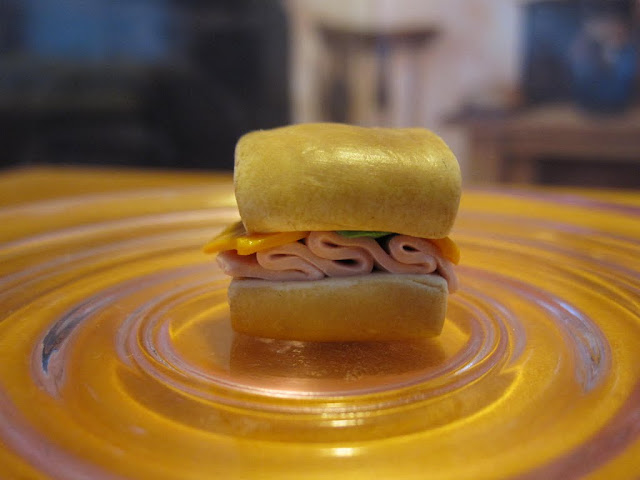
In Honor of Lord Sandwich

I thought I was going to set my dolls, dressed in 18th century garb, around a gaming table, playing cards, too busy to pause for a proper meal. One of them would, of course, be John Montagu, Fourth Earl of Sandwich, who according to legend, asked his servant to bring him an easy to consume meal--a slab of meat between two slices of bread.

By the way, in 1778, Captain Cook named the Sandwich Islands (present day Hawaii) and South Sandwich Islands after Lord Sandwich. Cook. Sandwich. Haha. How ironic.

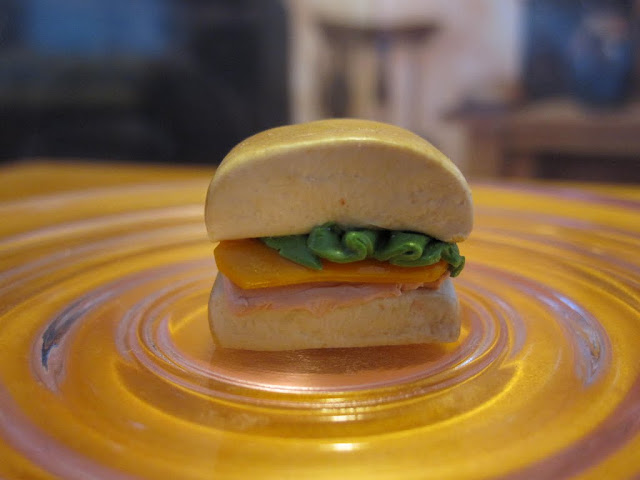
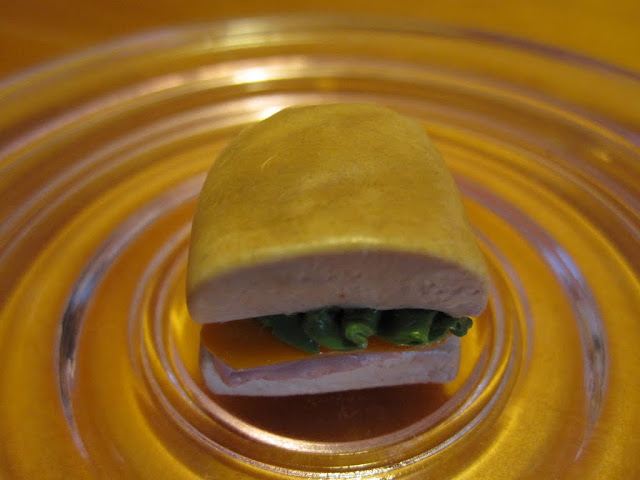
A modern day sandwich made by Pippaloo.


Monday, March 21, 2011

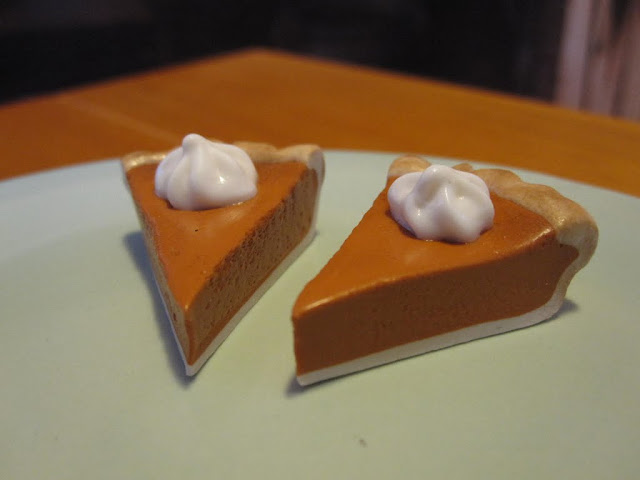
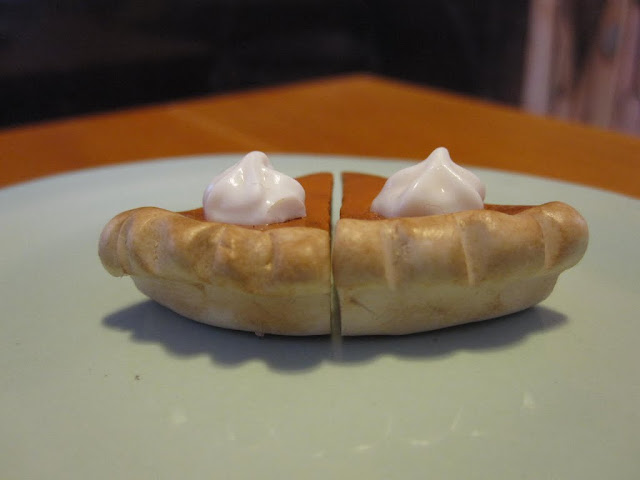
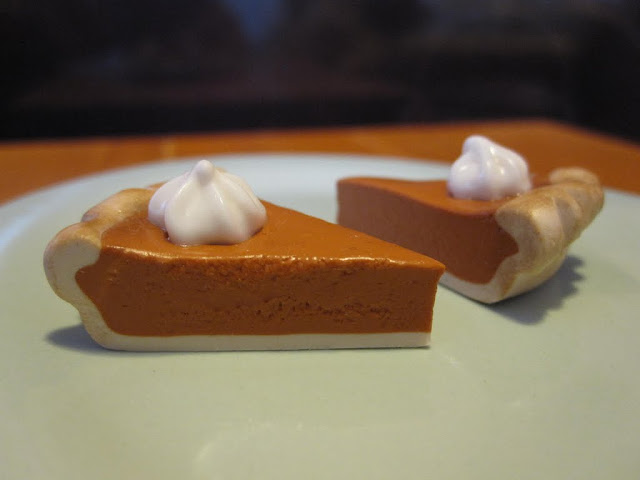
Miniature Pumpkin Pie by Pippaloo

Three Fun Facts about Pumpkins and Pies
1. The word "pie" may be derived from "magpie," a bird that had a habit of collecting a variety of objects for its nest. Early pies usually had a wide collection of ingredients in it.
2. The term "eating humble pie" comes from "umble pie," a dish filled with heart, liver, and other offal from cow, pig, and deer, which were eaten by the lower classes.
3. Pumpkins are a fruit squash from the genus Cucurbita. The word pumpkin is of European origin, from the Greek word pepon, which the French adapted to pompon, and then the English to pumpion. The American colonists then turned it to pumpkin. The word squash, however, derives from a Massachusetts Native American word, askutasquash, meaning "eaten raw."


Miniature Pumpkin Pie made by Pippaloo,.


Sunday, May 16, 2010

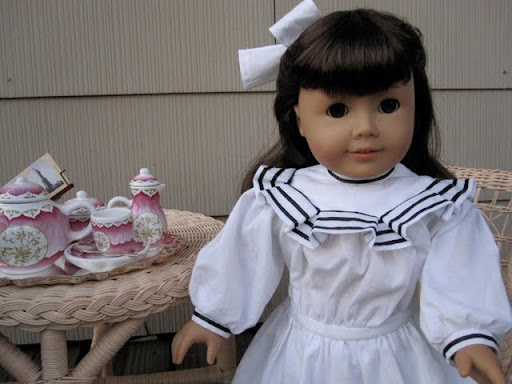
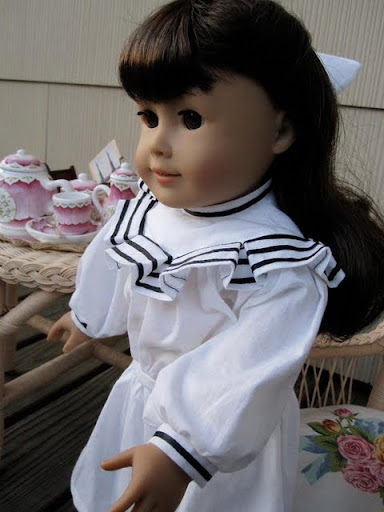
Samantha's Ice Cream Dress

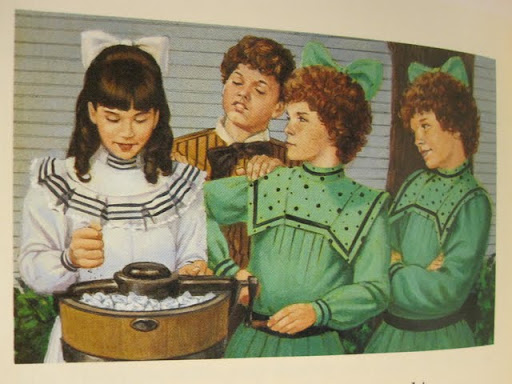
In Happy Birthday Samantha (1987), Samantha and her friends, Agatha and Agnes, make ice cream using a wooden ice cream freezer. They poured ice and salt on the outer rim and then put the ice cream ingredients in the center container and stirred with the crank handle. American Girl created a miniature replica that really makes ice cream. (I'll post photos later.) The ice cream freezer model with the crank handle was probably invented in the 1840s.

In a reprinting of Happy Birthday Samantha, American Girl editors actually changed the illustration, so there's a couple versions of the dress. You can compare at Emily's book comparison website or look at the more specific illustration from 1998.

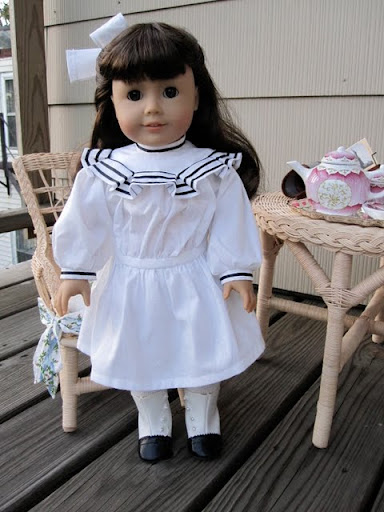
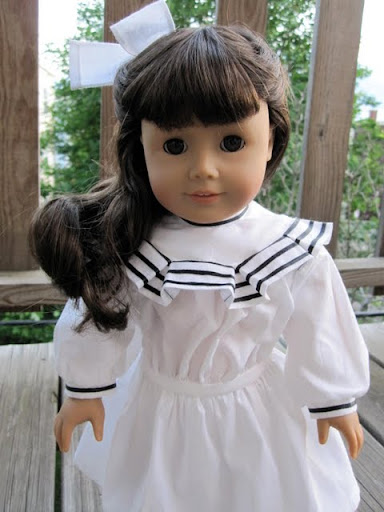
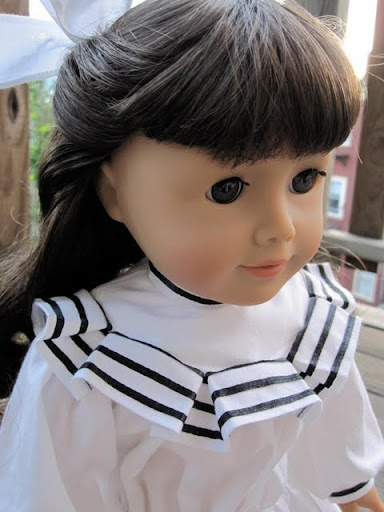
American Girl never created Samantha's ice cream outfit from the illustration. So I bought this custom copy from Heritage4, based on the 1987 illustration. It's very well made.


Here's more about the history of ice cream.

I thought it was interesting that in the 19th century Augustus Jackson, an African American in Philadelphia, made a fortune selling ice cream and confections. I doubt he was the first person in America to make ice cream, as ice cream (or some form of it) was written about by Americans" throughout the 18th century. I would be willing to credit Jackson though for being a very successful businessman in the Philadelphia area, during a time period when African Americans could not even vote.

I wonder if anyone has seriously tried looking in the census or other official records for Augustus Jackson name. But here's an interesting article to be taken with a grain of salt...

"Augustus Jackson, a Philadelphia Negro, was the first to make America's favorite frozen confection--ice cream--according to the records in the possession of citizens living in the City of Brotherly Love. In 1832 there were five Negro confectioners in Philadelphia. One of them was Jackson, know in his day and time as 'the man who invented ice cream.' He also was a caterer. For an extended period he enjoyed a monopoly of the sale of this dessert. He demanded $1 a quart, and had no difficulty selling all he made...The Jackson establishment was in what was then known as Goodwater Street, now St. James, between Seventh and Eight streets. After his death his daughter continue the business for several years on Walnut street, near Tenth street. Members of the Jackson family, with their limited facilities, were unable to meet the public demand for ice cream, and other confectioners and caterers, principally Negroes, began making it to their financial advantage."
"Phily Citizen Was First Maker of Ice Cream," Lester A. Walton, The Pittsburgh Courier, May 19, 1928 (p. 12)